
On Wednesday, May 5, Starship serial number 15 (SN15) successfully completed SpaceX’s fifth high-altitude flight test of a Starship prototype from Starbase in Texas.
Similar to previous high-altitude flight tests of Starship, SN15 was powered through ascent by three Raptor engines, each shutting down in sequence prior to the vehicle reaching apogee – approximately 10 km in altitude. SN15 performed a propellant transition to the internal header tanks, which hold landing propellant, before reorienting itself for reentry and a controlled aerodynamic descent.
The Starship prototype descended under active aerodynamic control, accomplished by independent movement of two forward and two aft flaps on the vehicle. All four flaps were actuated by an onboard flight computer to control Starship’s attitude during flight and enabled precise landing at the intended location. SN15’s Raptor engines reignited as the vehicle performed the landing flip maneuver immediately before touching down for a nominal landing on the pad.
These test flights of Starship are all about improving our understanding and development of a fully reusable transportation system designed to carry both crew and cargo on long-duration interplanetary flights, and help humanity return to the Moon, and travel to Mars and beyond.
Congratulations to the entire SpaceX team on SN15’s successful flight and landing!

Video
STARSHIP USES
Building cities on Mars will require affordable delivery of significant quantities of cargo and people. The fully reusable Starship system uses in-space propellant transfer to achieve this and carry people on long-duration, interplanetary flights.
Starship will enter Mars’ atmosphere at 7.5 kilometers per second and decelerate aerodynamically. The vehicle’s heat shield is designed to withstand multiple entries, but given that the vehicle is coming into Mars' atmosphere so hot, we still expect to see some ablation of the heat shield (similar to wear and tear on a brake pad). The engineering video below simulates the physics of Mars entry for Starship.
ENGINES
| DIAMETER | 1.3 m / 4 ft |
| HEIGHT | 3.1 m / 10.2 ft |
| THRUST | 230 tf / 500 klbf |

With more than 5 million pounds of thrust at liftoff, Falcon Heavy is the most capable rocket flying. By comparison, the liftoff thrust of the Falcon Heavy equals approximately eighteen 747 aircraft at full power. Falcon Heavy can lift the equivalent of a fully loaded 737 jetliner—complete with passengers, luggage and fuel—to orbit.
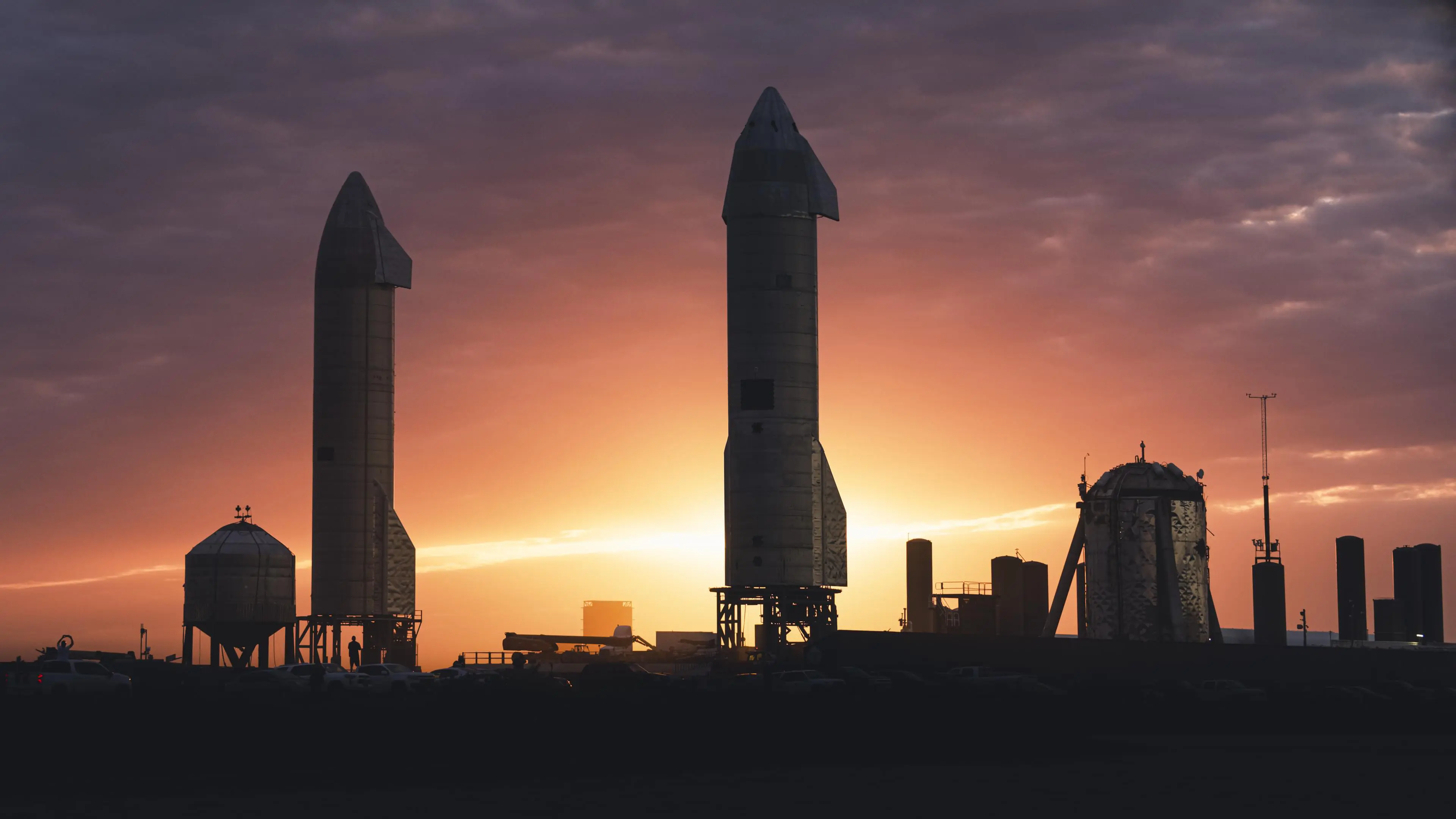
Starships ready for flight tests.
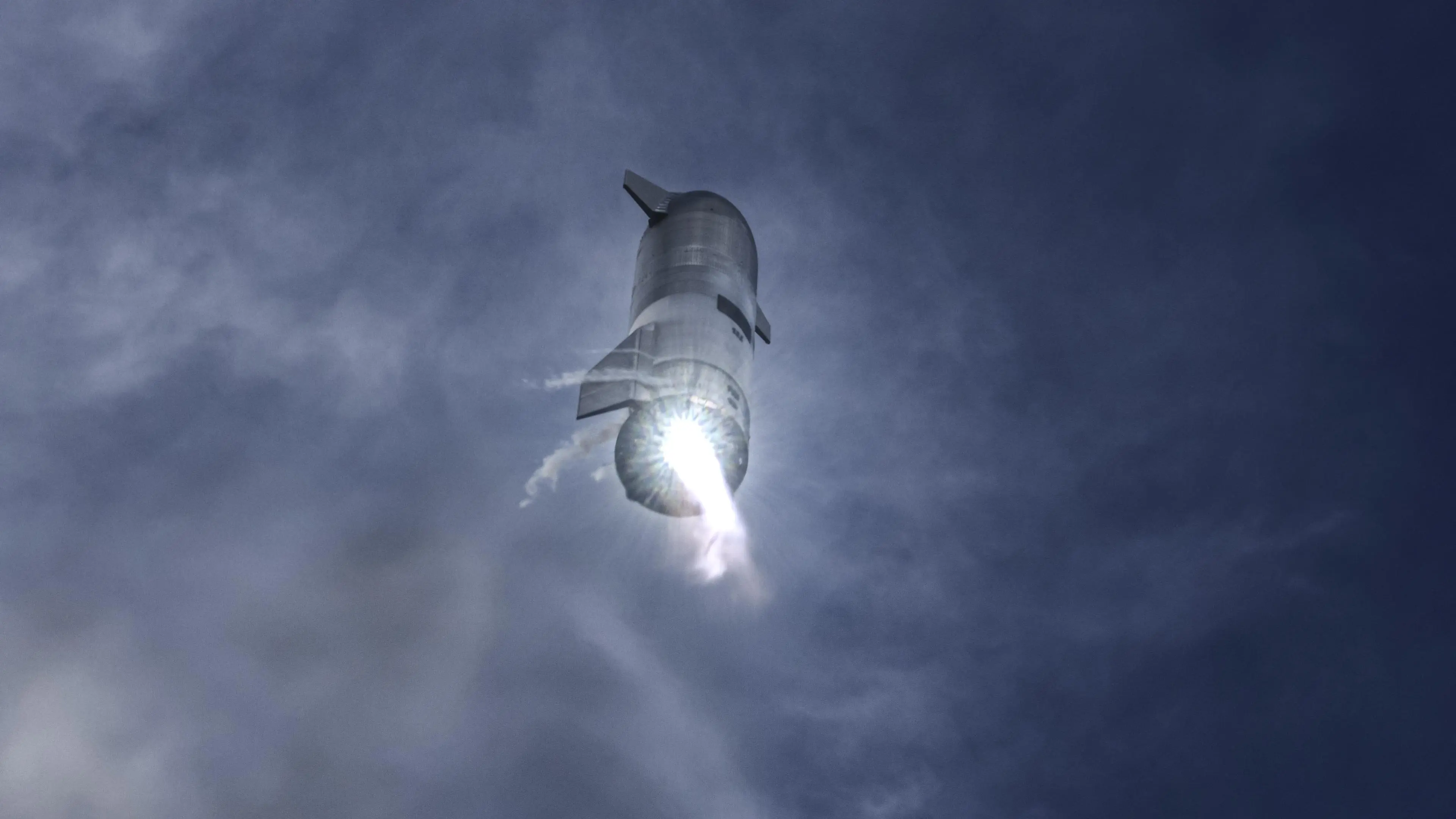
Starship in flight
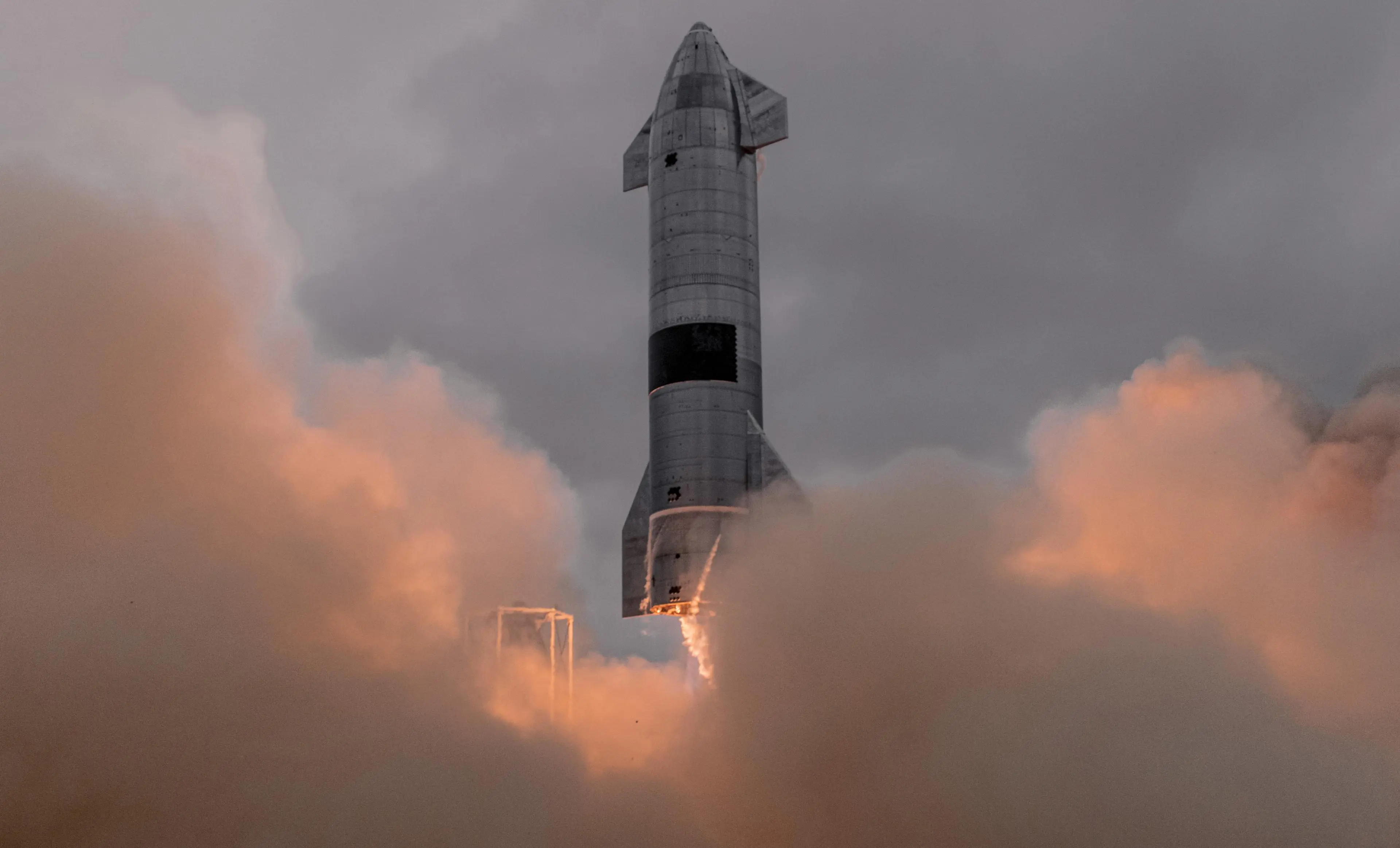
Starship successfully lands

Artist's rendering of Starship taking off on Mars
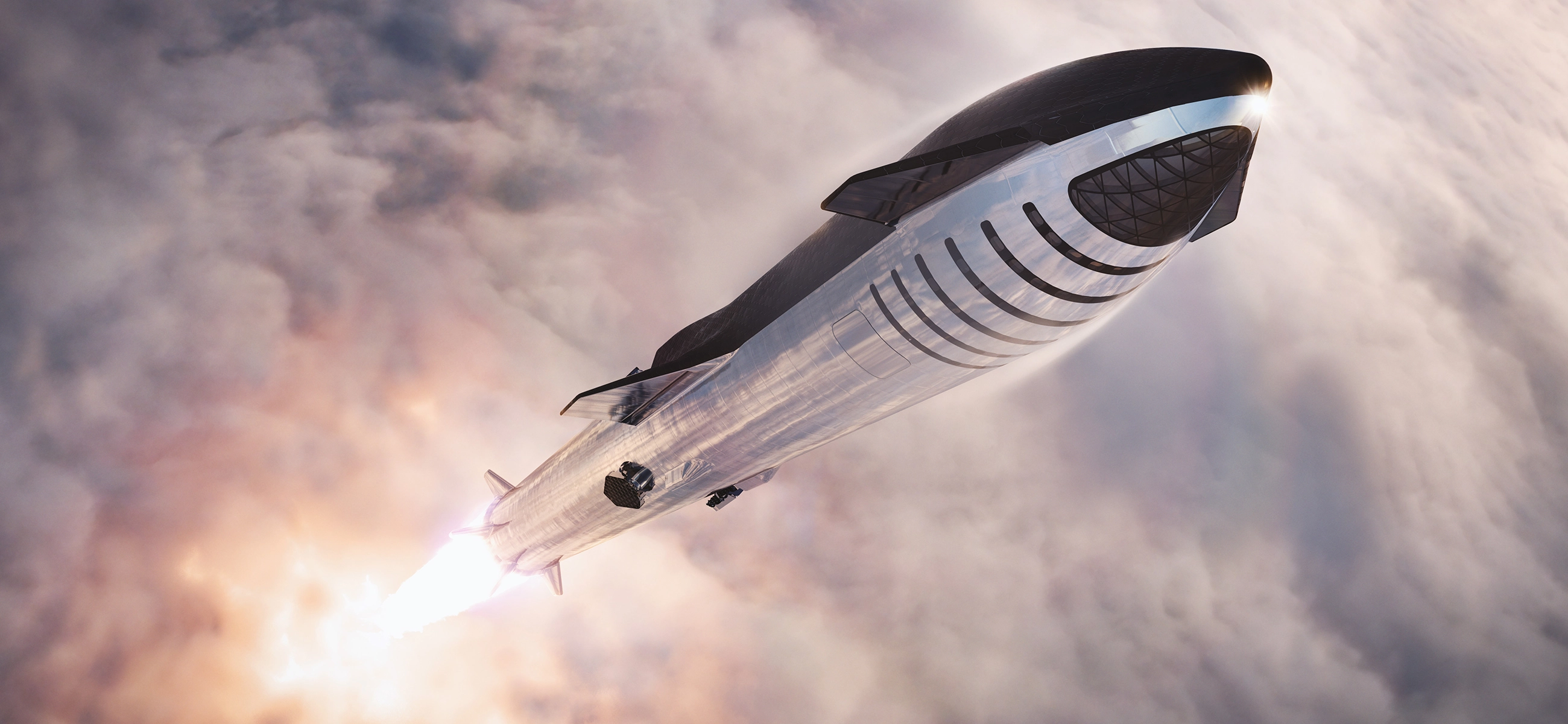
Artist's rendering of Starship and Super Heavy in flight

Artist's rendering of a base on Mars with multiple Starships
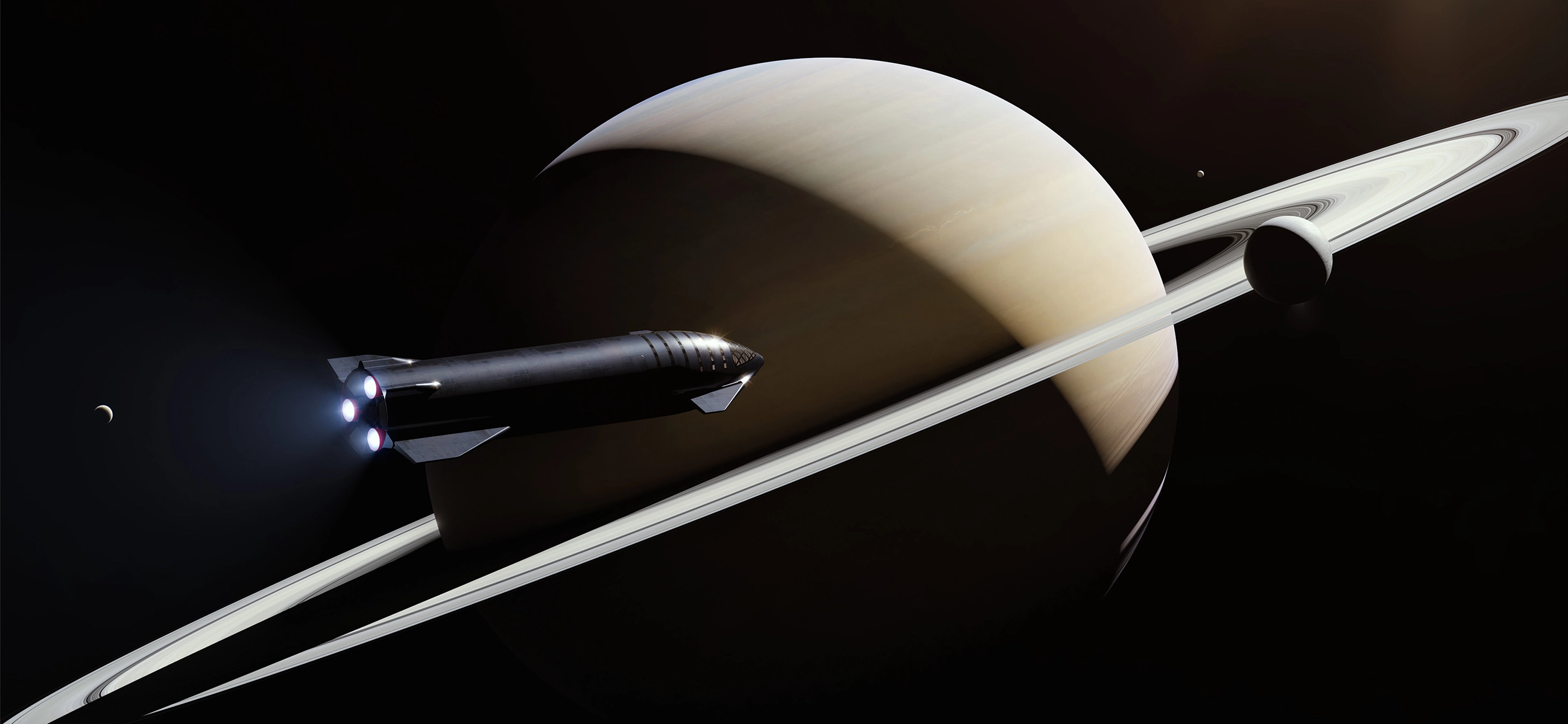
Artist's rendering of Starship approaching Saturn and its moons

A musical concert on board Starship